Radon, moisture and waterproofing: what to check before you finish a Utah basement
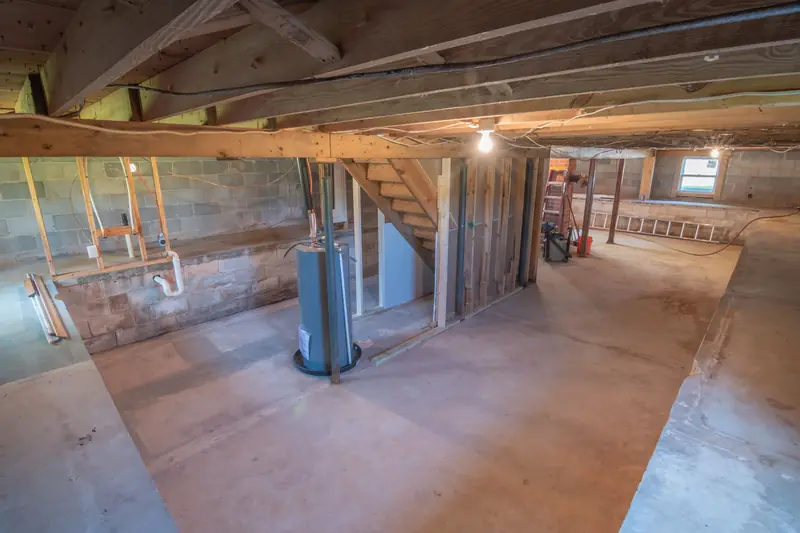
Test for radon before you finish. Utah DEQ says about 1 in 3 Utah homes tested above the EPA action level of 4 pCi/L, and tested Utah homes average 5.3 pCi/L. A short-term kit costs about $11 through the state program. If the result is high, install mitigation before the walls go up; DEQ says it typically costs $1,500 or less. Fix any water or moisture problem before you frame.
- Place the test in the lowest lived-in level for 48 to 72 hours, with windows and outside doors closed from 12 hours before.
- Retest after finishing if you start using the basement as living space.
- Look for water stains, white mineral deposits (efflorescence), musty smells and wet spots after storms before you insulate.
Why radon matters in Utah basements
Radon is a radioactive gas from soil. It has no smell or color, and the only way to know your level is to test. Utah DEQ calls it the #2 cause of lung cancer and reports that about one in three Utah homes tested above 4 pCi/L. Basements sit closest to the soil, so finishing one and spending more time there raises your exposure if levels are high.
How to test
Utah DEQ's steps:
- Get a kit. Order a short-term kit from Utah DEQ's program at radon.utah.gov (about $11 including lab analysis) or buy one locally.
- Close up the house. Keep windows and outside doors closed for at least 12 hours before and during the test.
- Place the kit. Put it in the lowest lived-in level (or the basement you plan to finish), about 20 inches above the floor, at least 3 feet from exterior walls, away from drafts, kitchens and bathrooms.
- Leave it 48 to 72 hours. Don't move it. DEQ suggests starting Friday morning and mailing it Monday.
- Mail it promptly. Send it to the lab right away; late kits can give invalid results.
- Act on the result. Above 4 pCi/L, contact a certified radon mitigation professional. Between 4 and 6, DEQ suggests considering a long-term test.
If your level is high
The common fix is sub-slab depressurization: a pipe through the slab and a fan that vents radon above the roof. DEQ says systems typically cost about $1,500 or less. Do it before finishing so the pipe can run through framed walls or a closet instead of being boxed in later. Retest after the system is installed.
Check for moisture before you frame
- Look for water lines, stains or white crusty deposits on concrete walls and the floor.
- Check after a heavy rain or snowmelt for damp spots.
- Make sure gutters and downspouts discharge away from the house and the soil slopes away from the foundation.
- Tape a square of plastic to the wall or floor for a couple of days. Moisture under it means water is coming through the concrete.
- Fix leaks, cracks and drainage first. Finishing over a damp wall traps moisture behind drywall.
68 companies in this directory mention waterproofing on their websites; most are finishers or remodelers that handle it as part of a job. Dedicated waterproofing-only companies are not listed here. Ask whether they fix the cause (drainage, grading, cracks) or only seal the wall.
Basement finishers that mention waterproofing (68)
Shane’s Structures
Almost Anything Remodeling
Quality Home Solutions
Lloyd's Remodeling & Cabinetry, LLC
Home Ready Group
Soul Builders SLC
Ask your basement contractor how they handle radon pipes and moisture. Browse basement specialists.
Questions people ask
Should I test for radon before finishing my basement?
Yes. Utah DEQ says about 1 in 3 Utah homes tested above the EPA action level of 4 pCi/L. Testing first lets you install mitigation before the walls are finished.
How much is a radon test kit in Utah?
Utah DEQ's program offers short-term test kits for about $11 including lab processing, through radon.utah.gov.
How much does radon mitigation cost in Utah?
Utah DEQ says a mitigation system typically costs $1,500 or less.
What radon level is too high?
The EPA and the State of Utah suggest mitigation at 4 pCi/L or higher. If you are between 4 and 6, DEQ suggests considering a long-term test. Below 4, retest every two to five years.
Can I finish a basement that gets damp?
Fix the source first: drainage, gutters, grading or cracks. Finishing over a damp wall traps moisture behind the drywall and insulation.
Who does basement waterproofing in Utah?
68 of the 394 basement finishing companies in our directory mention waterproofing on their websites; the most-reviewed are listed on this page. Waterproofing-only specialists are not part of this directory.
Sources
- Utah DEQ: Radon Program
- Utah DEQ: How to test your home for radon
- Utah DEQ: Home radon test (kit and mitigation cost)
- US EPA: Radon
General information, not legal, engineering or financial advice. Codes, fees and city rules change; confirm with your city or county building department and the official sources above before you sign or build. Company prices and timelines are what each company posted on its own website when we checked (Nov 23, 2026); they are not quotes.